

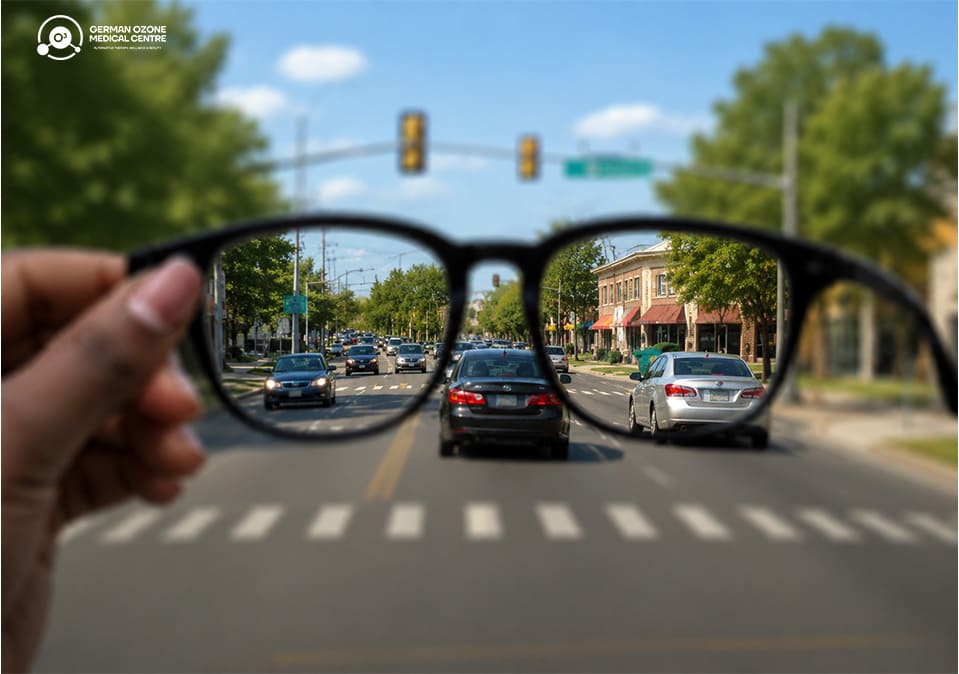
Blurred vision has a way of creeping up gradually, or showing up suddenly and demanding attention right away. Either way, it’s rarely something to brush off. Blurry eyesight can stem from something as simple as eye strain or as significant as an underlying health condition — and figuring out which one you’re dealing with usually starts with an eye examination rather than a guess.
Part of what makes blurred vision tricky is that it rarely announces its cause. Two people describing the exact same symptom — text looking slightly out of focus, for instance — could be dealing with entirely different underlying issues, from a simple prescription change to something that needs urgent attention. Here are 10 possible causes of blurred vision, and when each one warrants a visit to an eye doctor.
- Uncorrected Refractive Errors
Nearsightedness, farsightedness, and astigmatism are the most common causes of blurred vision, and often the easiest to correct with the right prescription glasses or contacts. These conditions tend to develop gradually, which is why an outdated prescription is one of the most overlooked causes of everyday blurriness.
- Digital Eye Strain
Long hours spent looking at screens can cause temporary blurriness, dryness, and fatigue. It’s usually reversible with breaks, but persistent strain is worth having checked, especially if it’s starting to affect your ability to focus on screens for normal stretches of time without discomfort.
- Dry Eyes
When the eyes don’t produce enough tears, vision can blur intermittently, especially after screen use, reading, or exposure to wind or air conditioning. Blinking more frequently or briefly closing your eyes can offer temporary relief, but ongoing dryness is a pattern worth mentioning to an eye doctor rather than managing indefinitely with drops alone.
- Migraines
Some migraines come with visual disturbances — blurriness, flashing lights, or blind spots — before or during the headache itself. These visual symptoms, known as an aura, can be alarming if you’re not expecting them, and are worth discussing with a doctor even if the headache itself feels manageable.
- Cataracts
A gradual clouding of the eye’s lens, cataracts cause blurry or hazy vision that tends to worsen slowly over months or years, most common in older adults. Because the progression is so gradual, many people adjust without realizing how much their vision has changed until it’s assessed directly.
- Diabetes and Blood Sugar Fluctuations
Blurred vision can be one of the earlier signs of unmanaged diabetes, as fluctuating blood sugar levels affect the lens of the eye. In some cases, blurry vision is actually what prompts someone to get tested for diabetes in the first place, making it a genuinely useful early warning sign rather than just a symptom to treat.
- High Blood Pressure
In some cases, hypertension can affect the blood vessels in the eyes, leading to blurred vision alongside other symptoms. This is one of several reasons eye exams sometimes catch health issues that have nothing directly to do with eyesight.
- Eye Infections
Conditions like conjunctivitis can cause temporary blurriness, often alongside redness, discharge, or irritation. Most infections clear up with appropriate treatment, but blurriness that persists after other symptoms resolve is worth a follow-up.
- Glaucoma
This condition, caused by increased pressure in the eye, can cause blurred vision along with other symptoms like eye pain or halos around lights. Left untreated, it can lead to permanent vision loss, which is exactly why glaucoma is often described as a condition best caught before it causes noticeable blurriness at all.
- Medication Side Effects
Certain medications list blurred vision as a side effect. If your vision changed after starting a new medication, it’s worth mentioning to your doctor rather than assuming it’s unrelated or something you simply have to live with.
When Blurred Vision Needs Immediate Attention
Most causes of blurry eyesight aren’t emergencies, but a few warrant urgent care:
- Sudden blurred vision in one or both eyes
- Blurred vision accompanied by eye pain
- Vision loss alongside a severe headache
- Blurriness following an eye injury
- Sudden flashes of light or a curtain-like shadow across your vision
If any of these apply, don’t wait for a routine appointment — seek care immediately. Sudden vision changes, in particular, are one of the few eye symptoms where waiting even a day or two can make a meaningful difference to the outcome.
Getting to the Root Cause
Because blurred vision has so many possible causes, an eye examination is the only reliable way to know what’s actually behind it. A comprehensive eye exam looks beyond just your prescription, checking eye pressure, overall eye health, and signs of underlying conditions that might not be obvious otherwise. Trying to self-diagnose based on symptoms alone often leads to treating the wrong thing — using lubricating drops for what’s actually an early prescription change, for example, or dismissing blurriness as tiredness when it’s linked to blood sugar.
German Ozone Medical Centre is adding comprehensive eye care to its services in Accra, giving patients a place to get blurred vision properly assessed alongside the outpatient and specialist care GOMC already provides. Once launched, the eye clinic in Accra will give patients a dedicated place to bring exactly this kind of symptom for a proper assessment. Keep an eye out for the launch of these new eye clinic services.
Frequently Asked Questions
Is blurred vision always a sign of a serious problem? Not always. Many cases are linked to temporary causes like eye strain or dryness, but persistent or sudden blurred vision should always be checked.
Can blurred vision go away on its own? Sometimes, especially if it’s caused by fatigue or dryness. But if it persists beyond a day or two, it’s worth having it examined.
Should I go to an eye doctor or a general doctor first for blurred vision? If there’s no injury or sudden vision loss, an eye doctor is usually the right first stop, since they can assess both vision and eye health directly.
Can stress cause blurred vision? Indirectly, yes. Stress can contribute to eye strain, tension headaches, and disrupted sleep, all of which can make vision feel temporarily blurry, though persistent blurriness still deserves a proper check rather than being attributed to stress alone.
Blurry vision is your eyes asking for attention. Keep an eye out for German Ozone Medical Centre’s new eye care services in Accra.