
Picking out prescription glasses can feel surprisingly overwhelming — there’s the prescription itself, the frame shape, the lens type, and increasingly, questions about blue light and lens coatings. Walk into any optical shop without a plan and it’s easy to leave more confused than when you arrived. The good news is that once you break it down, choosing the right eyeglasses comes down to a handful of practical decisions.
Start With an Accurate Prescription
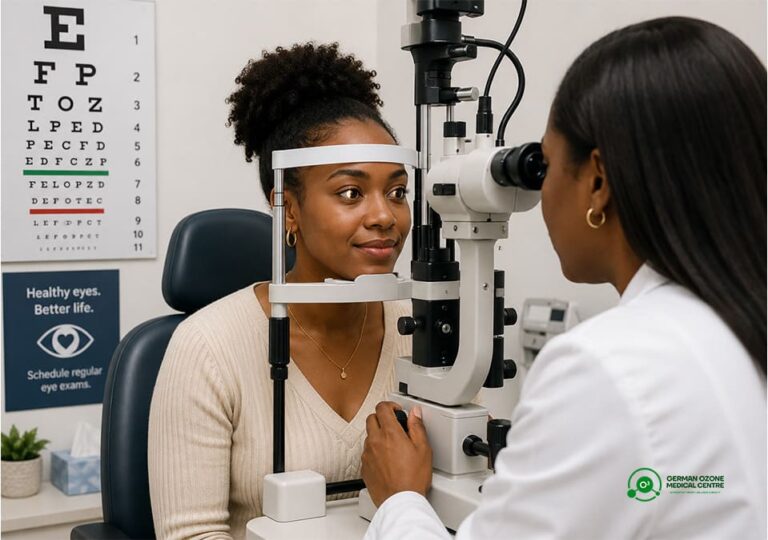
Before frames or lenses matter at all, an accurate, up-to-date prescription is the foundation everything else is built on. A prescription from an eye exam within the past one to two years is generally recommended, since vision can shift gradually without you noticing. Even a slightly outdated prescription can undermine an otherwise perfect frame and lens combination, so this step is worth getting right before anything else.
Choosing Eyeglass Frames That Actually Fit
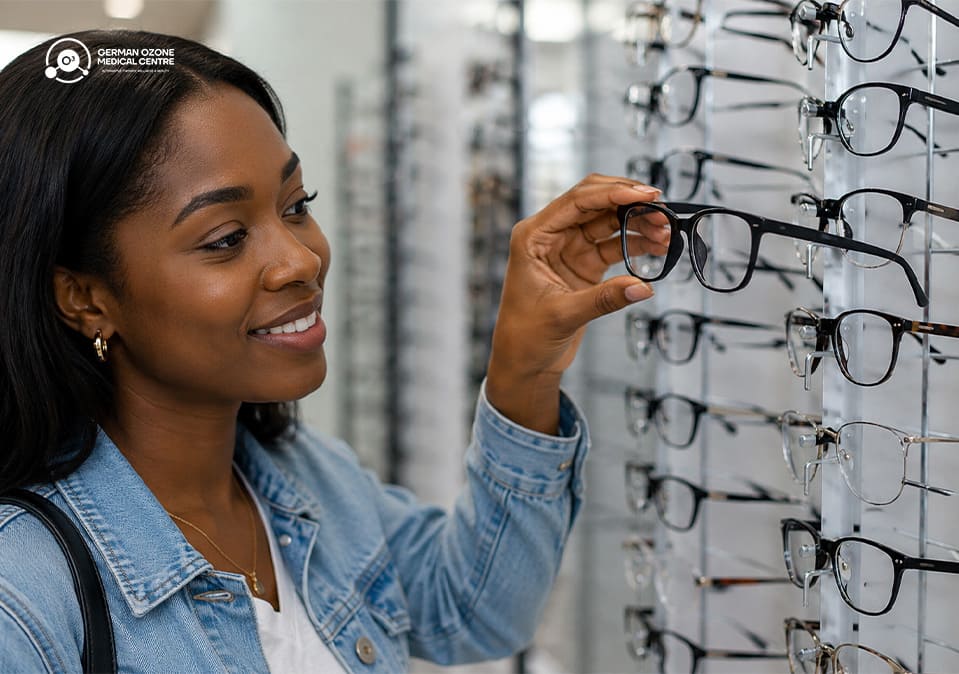
A good frame isn’t just about appearance — fit affects comfort, vision clarity, and how often you’ll actually want to wear them. A beautiful frame that pinches after twenty minutes is a frame that ends up in a drawer.
Face shape considerations:
- Round faces often suit angular or rectangular frames for contrast
- Square faces tend to pair well with rounder or oval frames
- Oval faces are versatile and suit most frame shapes
- Heart-shaped faces often look balanced with frames that are wider at the bottom
Practical fit checks:
- Frames shouldn’t pinch at the temples or slide down the nose
- Eyebrows should be visible above the frame, not obscured by it
- The frame width should roughly match your face width, without extending past it
These fit checks matter as much as, if not more than, the style considerations — a frame that constantly needs adjusting throughout the day undermines the whole point of wearing it.
Picking the Right Lenses
Frames get most of the attention, but the lenses inside them do the actual work, and choosing the wrong lens type can leave you with a good-looking pair of glasses that still doesn’t solve the problem you bought them for.
Common lens options:
- Single vision lenses — for one consistent prescription strength (most common)
- Bifocal or progressive lenses — for those needing correction for both near and distance vision
- High-index lenses — thinner and lighter, ideal for stronger prescriptions
- Blue light glasses — lenses designed to filter blue light from screens, often chosen by people who spend long hours on digital devices
Do You Actually Need Blue Light Glasses?
Blue light glasses have become popular, but the evidence on how much they reduce eye strain is mixed. That said, many people report reduced eye fatigue and easier sleep after using them, particularly with heavy evening screen use. If you spend most of your day in front of a screen, it’s a reasonable option to discuss with your eye doctor, who can weigh in on whether it’s likely to make a meaningful difference for your specific situation rather than just going by general claims.
Matching Glasses to Your Lifestyle
Your daily routine matters just as much as your prescription when choosing glasses. A frame and lens combination that works perfectly for an office job might fall apart under the demands of an active outdoor lifestyle.
- Active or sporty lifestyle: look for durable, flexible frame materials and impact-resistant lenses
- Heavy screen use: consider blue light filtering and an anti-glare coating
- Frequent outdoor time: photochromic lenses that darken in sunlight can reduce the need for separate sunglasses
- Professional settings: frame style often matters here as much as function, so consider workplace norms alongside comfort
If your lifestyle spans several of these categories, it’s worth discussing priorities with an optician rather than trying to find one pair of glasses that does everything equally well.
Don’t Overlook Lens Coatings
A few coatings make a noticeable difference in everyday comfort, and they’re often the details people regret skipping after the fact rather than something they think to ask about upfront.
- Anti-reflective coating reduces glare from screens and headlights
- Scratch-resistant coating extends the life of your lenses
- UV protection shields eyes from sun exposure, useful even for indoor lenses if you drive often
Getting Fitted Properly
Even the right frame and lens combination needs proper fitting. Ill-fitted glasses can cause headaches, distorted vision, or discomfort, regardless of how accurate the prescription is. This is where visiting an optical shop or eye clinic with experienced staff — rather than buying frames online without guidance — makes a real difference. A proper fitting accounts for details like pupillary distance and frame alignment that are nearly impossible to get right without someone measuring in person.
How Often Should You Replace Your Glasses?
Frames themselves can last for years if well cared for, but lenses should generally be updated whenever your prescription changes — often every one to two years for adults, sooner for children whose vision changes more quickly. Beyond prescription changes, visible scratches, loosened hinges, or frames that no longer sit properly on your face are all practical signs it’s time for a replacement rather than another repair.
German Ozone Medical Centre is expanding into eye care, bringing eye exams alongside a curated selection of eyeglass frames and lenses to its range of services in Accra. Whether you need your first pair of prescription glasses or an upgrade with blue light protection, GOMC’s upcoming optical services aim to make the process straightforward, from eye test to final fitting.
Frequently Asked Questions
How long do prescription glasses typically last? Frames can last several years with care, but lenses should be updated whenever your prescription changes, typically every one to two years.
Are blue light glasses necessary for everyone? Not necessarily, but they can help those with heavy screen exposure, particularly in the evening, reduce eye strain and improve sleep quality.
Can I reuse my old frames with a new prescription? Sometimes, if the frames are in good condition and compatible with the new lens type — an optician can confirm during fitting.
What’s the difference between an optician and an eye doctor? An eye doctor performs the eye exam and writes the prescription, while an optician helps fit and dispense the actual glasses based on that prescription. Having both available in one place simplifies the process considerably.
The right glasses combine an accurate prescription, a comfortable fit, and lenses suited to your lifestyle. Keep an eye out for German Ozone Medical Centre’s new optical services in Accra.