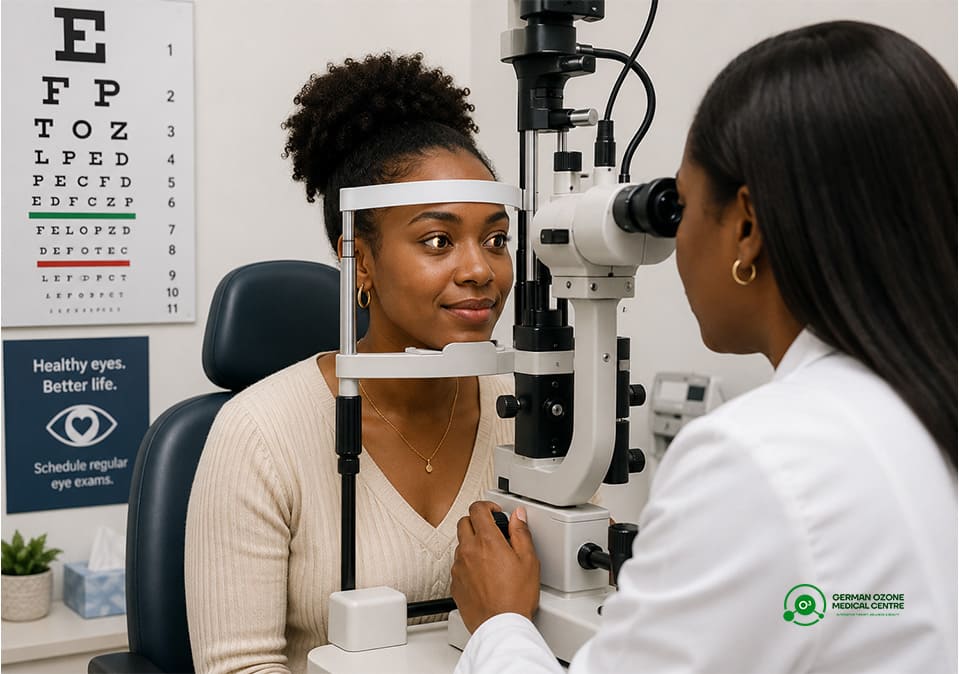
“How often should I really get an eye test?” is one of those questions most people ask themselves right after struggling to read a menu or squinting at a road sign. The honest answer depends on your age, your eye health, and whether you already wear glasses or contacts — there’s no single number that applies to everyone at every stage of life. Here’s a straightforward guide broken down by life stage, so you know roughly where you stand.
Children: Early and Regular Vision Screening Matters
Children rarely say “my vision feels blurry” — they simply adapt to whatever they can see, which means vision problems often go unnoticed without a proper eye exam. A child with one weak eye, for instance, may never mention it simply because they’ve never known anything different.
Recommended frequency:
- First eye exam between 6 months and 1 year old
- Another around age 3
- Before starting school, and then every one to two years through childhood
Since so much of early learning depends on clear vision, a routine eye check-up before school age can catch issues that might otherwise be mistaken for a learning difficulty or attention problem. Teachers and parents alike often notice the behavioral symptoms — restlessness, avoidance of reading, sitting unusually close to the board — long before anyone considers vision as the cause.
Adults (18–60): Routine Checks Even Without Symptoms
For most healthy adults with no existing vision problems, an eye exam every one to two years is a reasonable baseline. If you already wear glasses or contacts, annual check-ups help make sure your prescription still matches your current vision, since even small mismatches can contribute to headaches or fatigue without feeling dramatically “wrong.”
See an eye doctor sooner if you notice:
- Increasing difficulty reading small text
- Frequent headaches linked to screen time
- Blurred vision at any distance
- Eye strain that doesn’t improve with rest
Adults who spend long hours on screens — which, realistically, is most people — often benefit from more frequent checks, since digital eye strain can accelerate the need for a prescription update. It’s also worth mentioning any new symptoms during unrelated medical visits, since eye strain is easy to attribute to stress or poor sleep when the actual cause is sitting in front of you on a screen for eight hours a day.
Seniors (60+): More Frequent Monitoring
Eye health becomes more important to monitor closely after 60, as the risk of conditions like cataracts, glaucoma, and macular degeneration increases with age. These conditions often progress slowly, which makes regular monitoring far more valuable than waiting for symptoms to become obvious.
Recommended frequency:
- Annual eye exams, or as advised by an eye doctor
- More frequent monitoring for those with diabetes, hypertension, or a family history of eye disease
Many age-related eye conditions develop gradually and without obvious early symptoms, which is exactly why waiting for noticeable vision problems isn’t a reliable strategy at this stage. By the time symptoms are noticeable, some conditions — like glaucoma — may have already caused vision loss that can’t be reversed, which is what makes early, regular monitoring so important for this age group specifically.
A Simple Rule of Thumb
If you’re unsure where you fall, this general guide helps:
- No symptoms, no risk factors: every 1–2 years
- Wear glasses or contacts: annually
- Diabetes, hypertension, or family history of eye disease: annually or as recommended
- Over 60: annually, regardless of symptoms
Why the Right Frequency Actually Matters
Getting the timing right isn’t just about convenience. Testing too infrequently means prescription changes go uncorrected for longer than necessary, which can mean months of unnecessary eye strain or headaches. On the other hand, an eye doctor can also tell you when you genuinely don’t need to come back for a while — which is useful information in its own right, especially for anyone tempted to skip appointments out of a sense that “nothing’s changed” without actually confirming it.
Making Eye Health Part of Routine Care
Just as an annual medical check-up has become second nature for many people, a routine eye check-up deserves the same place on the calendar. Vision changes are often gradual enough to go unnoticed until they start affecting daily life — which is exactly the point at which an eye test becomes overdue rather than proactive. Pairing it with an existing routine, like a birthday month or an annual medical check-up, is often the easiest way to keep it from slipping through the cracks.
German Ozone Medical Centre is expanding into comprehensive eye care, adding vision screening and eye health services to its existing outpatient, dental, and ozone-based treatments in Accra. Having eye care available alongside general check-ups means families can potentially manage both in fewer visits once the service launches. Keep an eye out for the launch of GOMC’s new eye clinic services.
Frequently Asked Questions
Do children need an eye exam even if they don’t complain about their vision? Yes. Many childhood vision problems go unnoticed because children assume their vision is normal, having nothing else to compare it to.
Is a vision screening the same as a comprehensive eye exam? Not quite. A vision screening is a quick check of visual acuity, while a comprehensive eye exam also assesses overall eye health, which can catch conditions beyond just needing glasses.
Can eye health checks detect conditions unrelated to vision? Yes. Regular eye exams can sometimes reveal early signs of diabetes, hypertension, and certain autoimmune or neurological conditions.
What happens if I skip a recommended eye exam? Nothing happens immediately in most cases, but gradual changes in vision or early signs of conditions like glaucoma can go undetected for longer, making future treatment more complicated than it would have been if caught early.
Whatever stage of life you’re at, your eyes deserve regular attention. Watch for German Ozone Medical Centre’s upcoming eye care services in Accra.