
“Do I really need to go to the dentist every six months?” is one of those questions that comes up often, usually right after someone’s skipped a few appointments. The honest answer depends on your oral health, risk factors, and dental history, but there’s a reliable general guideline worth knowing, along with a few exceptions worth understanding.
The General Rule: Every Six Months
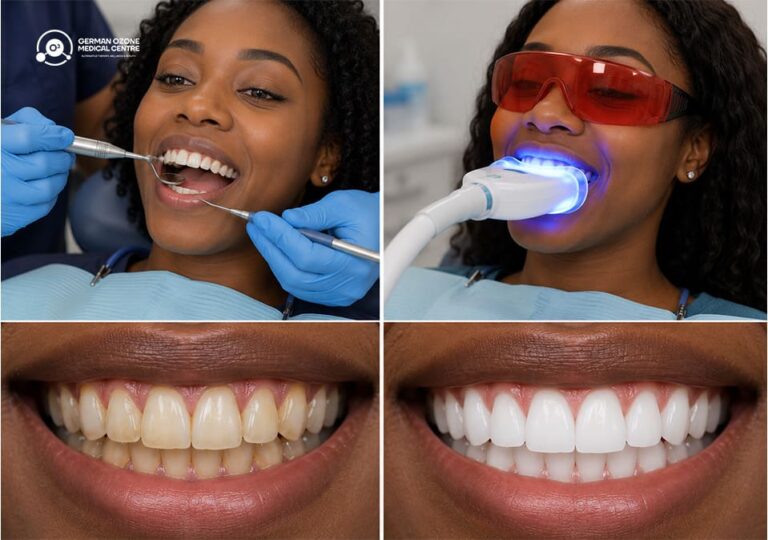
For most people with generally good oral health, a dental check-up and teeth cleaning every six months is the standard recommendation. This interval allows a dentist to catch cavities, gum disease, and other issues early, often before they cause any noticeable symptoms. It’s a rule of thumb rather than a strict requirement, but it works well for the majority of people without specific risk factors.
Why Six Months Specifically?
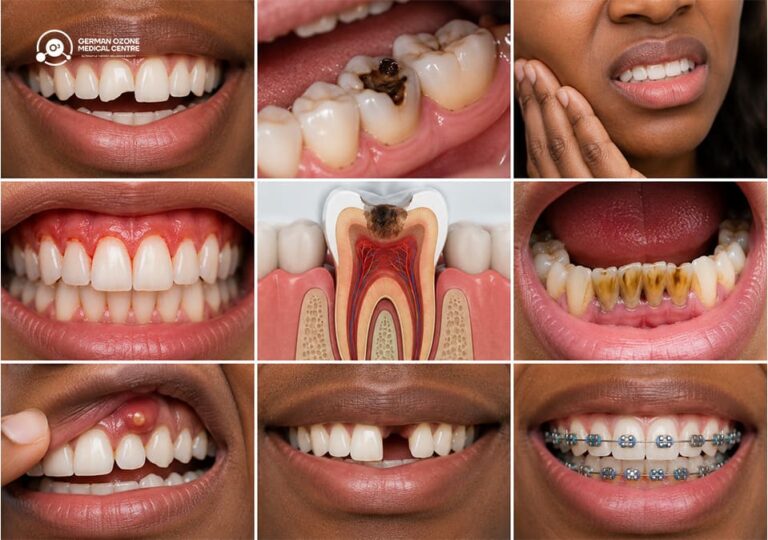
Plaque buildup that regular brushing and flossing can’t fully remove tends to harden into tartar within about that timeframe. Once that happens, only a professional teeth cleaning can remove it. Six-month visits keep this buildup in check before it leads to cavities or gum disease. Waiting significantly longer gives tartar more time to accumulate and cause damage that’s harder, and often more expensive, to reverse.
When You Might Need More Frequent Visits
Some people benefit from check-ups more often than twice a year, particularly if they have:
- Gum disease or a history of it — often requiring visits every three to four months
- A high cavity risk — due to diet, medication, or dry mouth
- Braces or other orthodontic treatment — which need more frequent monitoring
- Chronic conditions like diabetes — which can affect oral health more significantly
- Smoking or tobacco use — which increases risk for gum disease and other oral health issues
If more than one of these applies to you, it’s worth discussing a personalized schedule with your dentist rather than defaulting to the general six-month rule, since your risk profile may call for closer monitoring.
Preventive Dental Care by Age Group
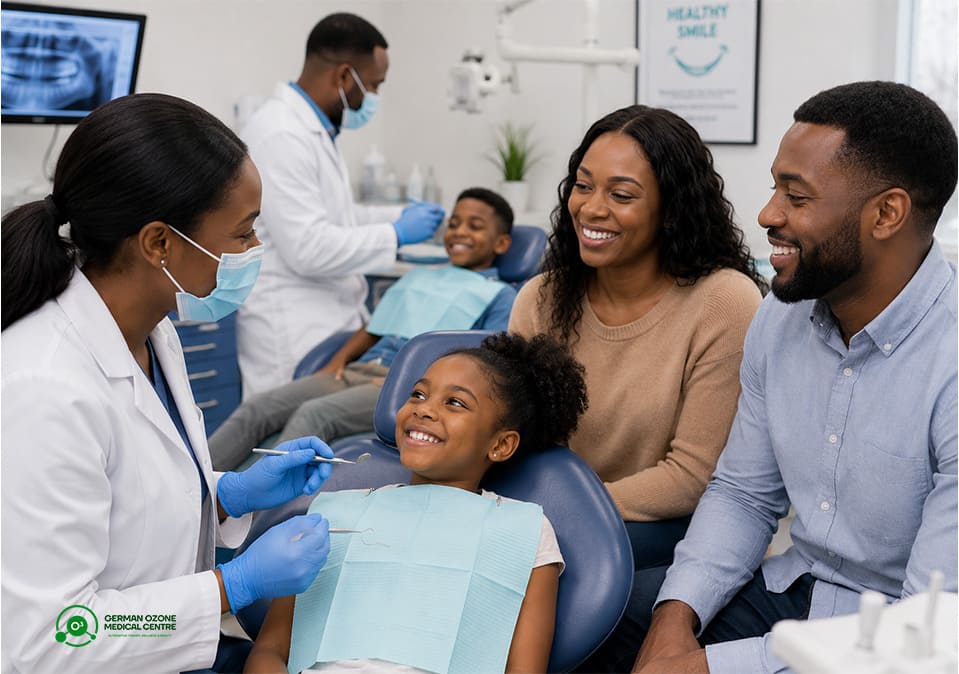
- Children — Regular check-ups from the first tooth’s appearance help establish healthy habits early and catch developmental issues before they become bigger problems. Early visits also help children get comfortable with the dentist, which makes future appointments easier for everyone.
- Teens and Young Adults — This is often when wisdom teeth, orthodontic needs, or early cavities appear, making consistent six-month visits particularly valuable. Diet and habits established in these years often carry into adulthood, making this a useful window for reinforcing good oral hygiene.
- Adults — Routine cleanings and check-ups remain important even without symptoms, since gum disease in particular can progress silently. Busy schedules are the most common reason adults let check-ups slip, which is exactly when small issues have the most room to grow unnoticed.
- Seniors — Oral health becomes more closely linked to overall health with age, and more frequent monitoring may be needed for issues like dry mouth, tooth wear, or existing dental work. Medications common in later life can also affect saliva production, which changes cavity risk in ways worth monitoring closely.
What If You’ve Already Fallen Behind?
If it’s been longer than a year since your last visit, the right move is simply to book an appointment rather than wait for an ideal moment or feel like you need to “catch up” on hygiene first. A dentist has seen every version of a delayed check-up and would far rather see you now than have you wait longer out of hesitation. In most cases, even after a long gap, the first visit is straightforward: an assessment, a cleaning, and a clear plan for anything that needs further attention.
What Happens at a Routine Dental Check-Up
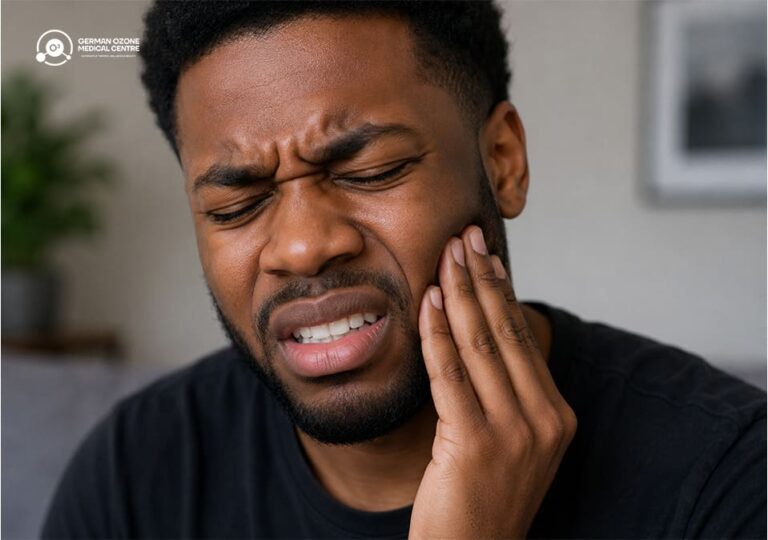
A standard visit typically includes a professional teeth cleaning, an examination for cavities or gum issues, and sometimes X-rays to check for problems not visible during a standard exam. It’s also a good opportunity to raise any concerns, however minor they seem — a dentist would rather hear about a small sensitivity issue early than treat it once it’s become a bigger problem.
The Cost of Skipping Regular Visits
Beyond the risk of undetected problems, skipping regular check-ups often means more expensive treatment down the line. A cavity caught early might mean a simple filling; the same cavity left unchecked for a year or two can mean a root canal or extraction. Preventive visits are, in almost every case, the more affordable path over time, not just the healthier one.
Making It a Habit
The easiest way to stay consistent is to treat dental check-ups like any other recurring appointment; booking your next dentist appointment before you leave the current one, or setting a reminder tied to a specific month, removes the guesswork of remembering on your own. Pairing dental visits with another routine event, like a birthday or a general health check-up, can also help keep the habit consistent for the whole family.
German Ozone Medical Centre offers preventive dental care, including routine check-ups and professional teeth cleaning, at their dental clinic in Accra, making it easier to stay on top of your oral health.
Frequently Asked Questions
Is it bad to skip a dental check-up for a year or more? It’s not ideal. Many dental issues develop without noticeable symptoms, so going a year or more without a check-up increases the chance of undetected problems.
Do children need dental visits as often as adults? Yes, generally every six months, starting from their first tooth, to establish good habits and catch developmental issues early.
Can good home hygiene replace professional cleanings? No. Brushing and flossing are essential, but they can’t remove hardened tartar the way a professional cleaning can.
Does dental insurance typically cover routine check-ups? Many insurance plans cover preventive visits like check-ups and cleanings, though coverage varies by provider. It’s worth confirming details with your specific plan before booking.
Consistent dental visits are one of the simplest ways to protect your oral health long-term. Book your next check-up with German Ozone Medical Centre.