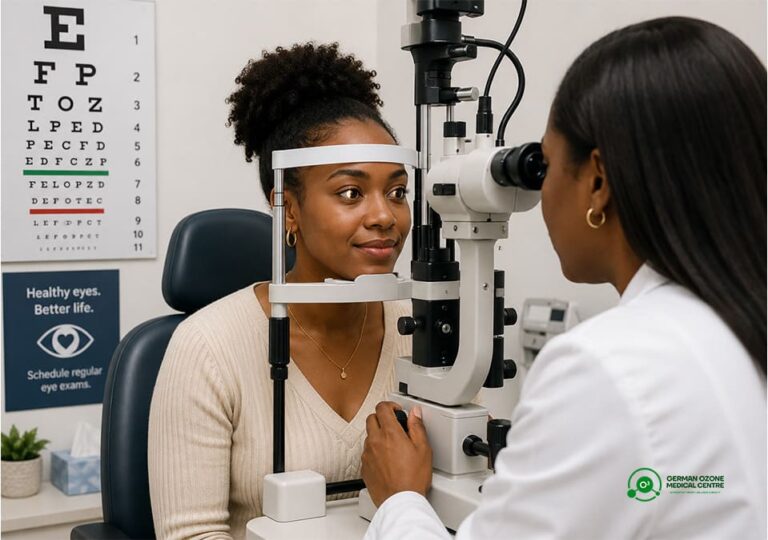

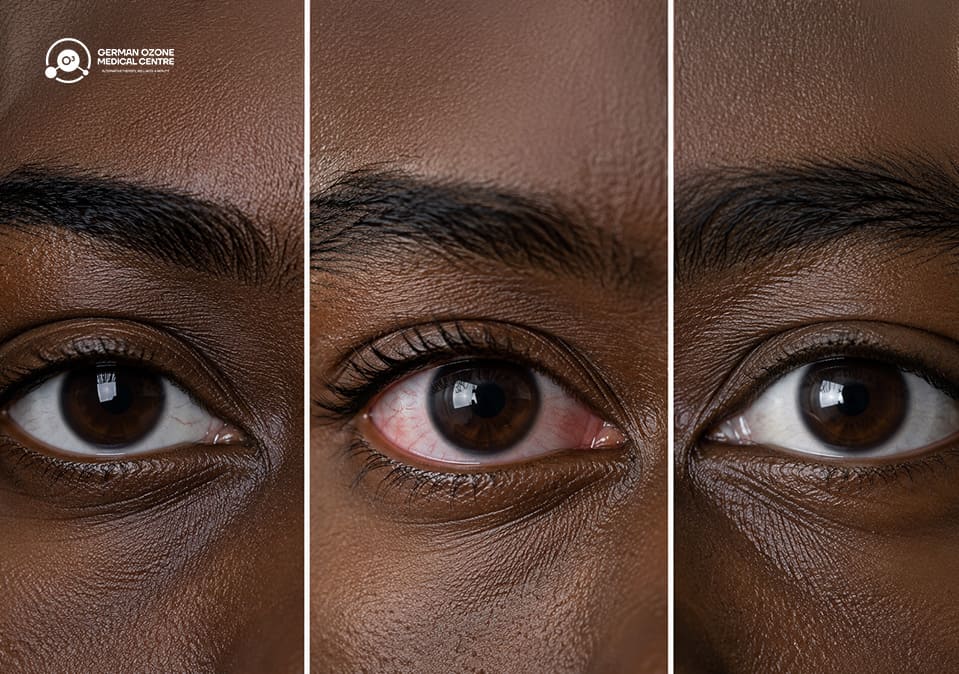
Eyes are surprisingly good at tolerating minor irritation without much complaint — a little dryness here, some redness there, nothing that feels urgent enough to stop your day for. But several common eye problems that seem minor on the surface can point to something that needs proper attention, and catching them early usually makes treatment far simpler than waiting until symptoms become impossible to ignore.
Part of the challenge is that many eye symptoms overlap. Redness could mean allergies, dryness, or infection. Watering could mean irritation or a blocked duct. Without a proper look, it’s genuinely difficult to tell which is which from symptoms alone. Here’s a look at some of the most common vision problems worth taking seriously.
Red Eyes
Occasional redness from tiredness or minor irritation isn’t unusual. But persistent or worsening red eyes can signal conjunctivitis, an allergic reaction, or an underlying infection — especially if accompanied by discharge, discomfort, or sensitivity to light. Redness that keeps returning, even if it clears up temporarily, is also worth flagging rather than treating each episode as unrelated.
See an eye doctor if: redness lasts more than a couple of days, comes with pain, or affects your vision.
Dry Eyes
Dry eyes happen when tear production or quality isn’t enough to keep the eye’s surface properly lubricated. Screen time, air conditioning, and certain medications can all contribute to it. Left unaddressed, chronic dryness can eventually affect the surface of the eye itself, which is part of why it’s worth more than just reaching for drops indefinitely.
See an eye doctor if: dryness is constant, causes noticeable discomfort, or doesn’t improve with basic lubricating drops.
Eye Pain
Mild eye discomfort after a long day is common. Genuine eye pain — sharp, persistent, or worsening — is different, and shouldn’t be managed with guesswork. Eye pain is also one of the symptoms most likely to indicate something that needs prompt attention rather than home management.
See an eye doctor if: pain is sudden, severe, or accompanied by vision changes, sensitivity to light, or swelling.
Eye Infections
Infections like conjunctivitis (commonly known as pink eye) can cause redness, discharge, itching, and swelling. While some resolve on their own, bacterial infections often need treatment to clear properly and avoid spreading — both to the other eye and to people you’re in close contact with.
See an eye doctor if: symptoms worsen, there’s thick discharge, or vision becomes affected.
Excessive Tearing or Watery Eyes
Watery eyes can result from irritation, allergies, or a blocked tear duct. While often harmless, ongoing excessive tearing is worth investigating, particularly if it interferes with daily activities like reading or working at a screen for extended periods.
See an eye doctor if: watering is constant, affects one eye more than the other, or comes with pain.
Sensitivity to Light
Occasional light sensitivity, especially after time outdoors, is normal. Persistent sensitivity that makes ordinary lighting uncomfortable can point to inflammation, infection, or other underlying issues that go beyond simple adjustment.
See an eye doctor if: sensitivity is sudden, severe, or paired with eye pain or blurred vision.
Floaters and Flashes
Seeing occasional small floaters is common and usually harmless. A sudden increase in floaters, or flashes of light, is different and can indicate a more serious issue with the retina. This is one of the few eye symptoms on this list where the difference between “wait and see” and “seek care immediately” genuinely matters.
See an eye doctor immediately if: you notice a sudden surge in floaters, flashes of light, or a shadow moving across your vision.
Eyelid Swelling
Mild swelling from allergies or lack of sleep typically resolves quickly. Persistent or painful swelling can point to an infection like a stye or a more significant underlying condition that needs proper treatment rather than time alone.
See an eye doctor if: swelling doesn’t improve within a few days, or comes with pain, redness, or vision changes.
Twitching or Spasming Eyelids
Occasional eyelid twitching is usually linked to fatigue, caffeine, or stress, and typically resolves on its own within a few days. Persistent twitching that lasts for weeks, or that affects surrounding muscles, is less common but worth mentioning to a doctor, since it can occasionally point to an underlying neurological or muscular cause.
See an eye doctor if: twitching persists beyond a couple of weeks or spreads beyond the eyelid itself.
When in Doubt, Get It Checked
Many eye problems look similar on the surface but have very different causes — and very different urgency levels. A proper eye examination is the only reliable way to tell the difference between something that will resolve on its own and something that needs treatment. Trying to diagnose based on symptoms alone, or relying on general advice found online, often means either underreacting to something serious or overreacting to something harmless.
German Ozone Medical Centre is adding comprehensive eye care to its services in Accra, giving patients a place to get these common vision problems assessed properly alongside the outpatient, dental, and ozone-based care GOMC already offers. Keep an eye out for the launch of GOMC’s new eye clinic services.
Frequently Asked Questions
Are red eyes always a sign of infection? Not always. Redness can come from allergies, dryness, or minor irritation, but persistent redness should still be checked to rule out infection.
Can eye problems be a sign of a health issue elsewhere in the body? Yes. Conditions like diabetes, autoimmune diseases, and high blood pressure can sometimes show early signs in the eyes.
Should I see a general doctor or an eye doctor for eye problems? For anything specifically eye-related — pain, vision changes, infections — an eye doctor is best equipped to diagnose and treat the issue directly.
Is it ever okay to just wait and see with an eye problem? For mild, short-lived symptoms like occasional dryness or a single day of redness, waiting a day or two is reasonable. But anything involving pain, vision changes, or symptoms lasting more than a few days is better addressed sooner rather than later.
Don’t wait for a minor eye problem to become a bigger one. Keep an eye out for German Ozone Medical Centre’s new eye care services in Accra.