Vision changes so gradually that most people don’t notice it happening. You adjust without realizing it — sitting closer to the TV, holding your phone a little further away, blinking a bit more at your screen. By the time blurry vision becomes obvious, your eyes have often been asking for help for a while, quietly compensating in ways you’ve stopped noticing.
An eye test isn’t just for people who already know something’s wrong. It’s one of the few check-ups where the whole point is catching what you can’t yet feel. Here are 10 signs it’s time to book one, even if you’re convinced your eyesight is fine.
- You’ve Never Had a Baseline Eye Exam
If you can’t remember the last time — or if there’s never been a “last time” — that alone is reason enough. A baseline eye exam gives you and your eye doctor something to measure future changes against, so any shift down the line is easier to catch and quantify rather than guessed at.
- You Get Frequent Headaches
Eye strain is one of the most overlooked causes of recurring headaches, especially ones that show up after reading, screen time, or driving. People often treat the headache as the problem and medicate around it for months before considering that uncorrected vision might be the actual cause.
- You Squint to See Clearly
Squinting is your eyes’ way of manually adjusting focus — narrowing the aperture to sharpen a blurry image the same way a camera would. If you find yourself doing it often, at signs, screens, or menus, it’s worth having your vision checked rather than letting squinting become a permanent habit.
- Blurry Vision, Near or Far
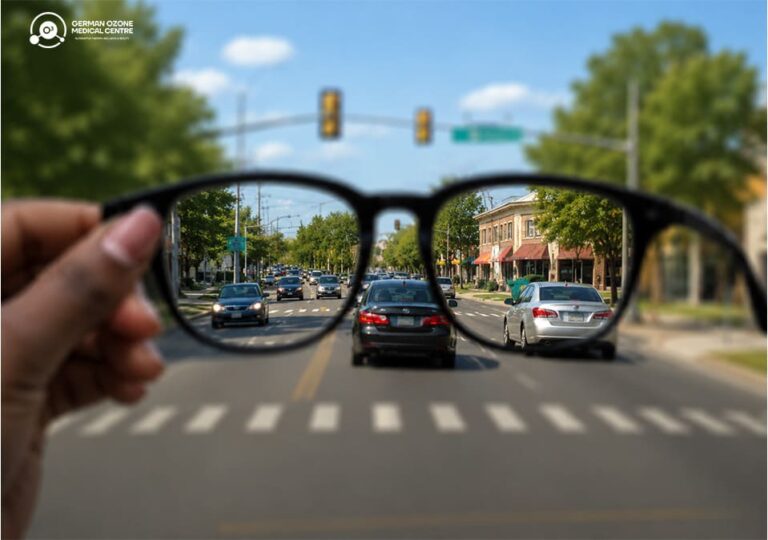
Whether it’s struggling to read small text up close or difficulty making out distant signs, blurred vision at any distance is a clear signal for a vision test. Near and far blurriness can point to different underlying issues, which is exactly why a proper exam, not guesswork, is the right next step.
- Difficulty Seeing at Night
Struggling to see clearly while driving at night, or noticing halos around lights, can indicate changes in your vision that a comprehensive eye exam can identify. Night vision issues are also one of the symptoms people adapt around the longest, often without realizing how much extra effort they’re putting into simply getting home safely after dark.
- Eye Fatigue After Screen Time
If your eyes feel tired, dry, or strained after a normal day of screen use, it may be more than just “screen fatigue” — it could be an uncorrected vision issue. The right prescription, or simple adjustments like an anti-glare lens coating, can make a noticeable difference to how your eyes feel by the end of the day.
- You’re Holding Things Further Away (or Closer) Than Usual
Gradually extending your arm to read a menu, or bringing your phone closer to your face, is a subtle but telling sign your current prescription — or lack of one — isn’t working anymore. These adjustments tend to happen so slowly that people rarely notice until someone else points it out.
- Frequent Eye Rubbing
Rubbing your eyes throughout the day can be a response to strain, dryness, or blurred vision your body is trying to self-correct. It’s an easy habit to dismiss as tiredness, but frequent rubbing is worth mentioning at your next eye check-up, especially if it’s become a near-constant reflex.
- A Family History of Eye Conditions
Conditions like glaucoma, macular degeneration, and diabetic eye disease often run in families. If they’re part of yours, regular eye check-ups matter more, even without symptoms, since many of these conditions are far easier to manage when caught before vision loss begins.
- It’s Been Over a Year Since Your Last Eye Exam
Even with no symptoms at all, most eye doctors recommend a routine eye exam every one to two years for adults, since some changes happen without any noticeable symptoms. Treating an eye test as routine maintenance, rather than a response to a problem, is the simplest way to stay ahead of changes before they affect daily life.
What Happens During an Eye Test
A comprehensive eye exam typically checks visual acuity, eye pressure, and the overall health of the eye itself, not just whether you need glasses. This means an eye test can catch early signs of conditions like glaucoma or diabetic eye disease well before they affect your vision noticeably. Most exams also include a discussion of your lifestyle and screen habits, since these details help an eye doctor recommend the right lens type or coating, not just the right prescription strength.
Eye Care Is Coming to German Ozone Medical Centre
German Ozone Medical Centre is expanding its range of services to include comprehensive eye care, bringing eye exams and vision testing to the same trusted medical clinic in Accra that’s already known for outpatient, dental, and ozone-based treatments. Having eye care alongside existing services means any related concerns — from diabetes management to general check-ups — can eventually be handled in one place, without needing a separate referral across town. If any of the signs above sound familiar, keep an eye out for GOMC’s new eye care services, launching soon.
Frequently Asked Questions
How often should I get an eye test if I don’t wear glasses? Most adults without existing vision problems should still get an eye exam every one to two years, since some conditions develop without obvious symptoms.
Can an eye test detect health issues beyond vision? Yes. Eye exams can sometimes reveal early signs of conditions like diabetes, high blood pressure, and certain autoimmune diseases.
Is an eye test painful or uncomfortable? No. A standard eye exam is quick and non-invasive, typically involving light-based tests and simple vision charts.
What age should children have their first eye exam? Most eye doctors recommend a first exam between six months and one year old, followed by another around age three, and again before starting school.
Don’t wait for blurry vision to force the issue. Keep an eye out for German Ozone Medical Centre’s new eye care services in Accra.