
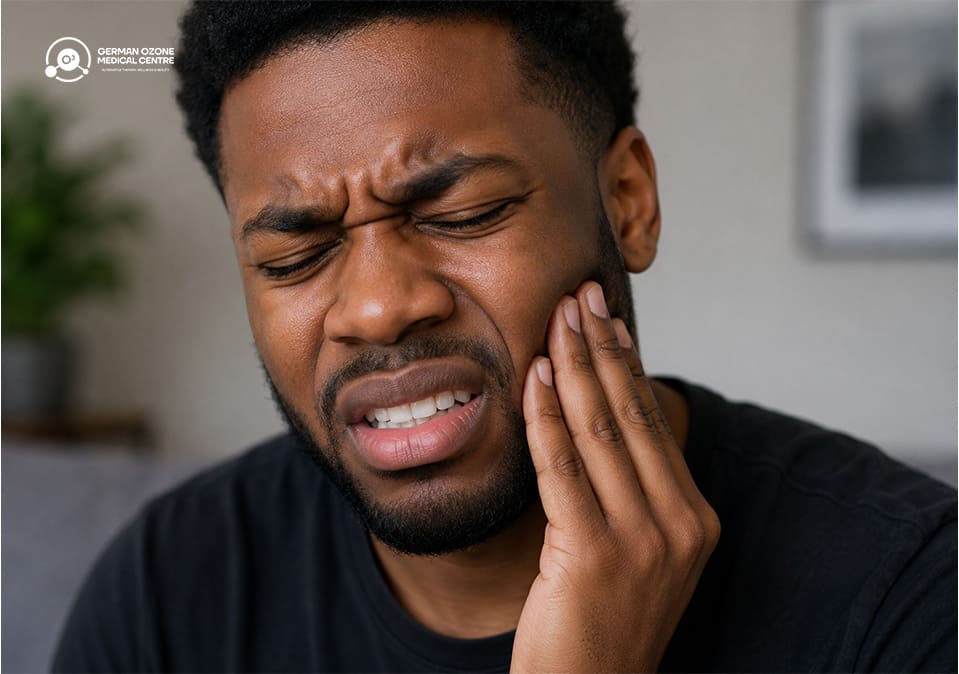
A toothache has a way of taking over everything. Whether it’s a dull ache or sharp, severe tooth pain, it’s hard to focus on anything else until it’s resolved. Before you search “dentist near me” in a panic, it helps to understand what might be causing it, what you can safely do in the meantime, and when home care isn’t enough.
Common Causes of Toothache
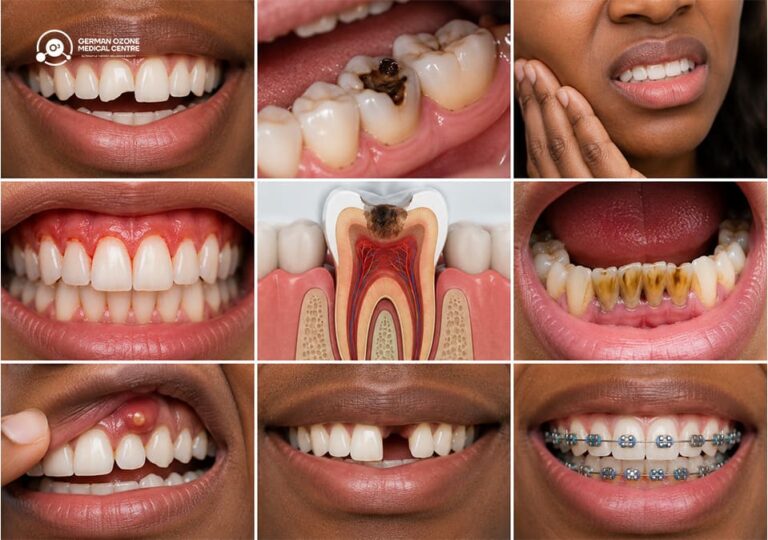
- Cavities — One of the most common causes of tooth pain, cavities form when decay reaches the inner layers of the tooth, often causing sensitivity or sharp pain when eating.
- Gum Disease — Inflamed or infected gums can cause aching pain around the base of the teeth, often alongside bleeding or swelling.
- Cracked or Chipped Tooth — A crack, even a small one, can expose sensitive inner layers of the tooth, causing pain that comes and goes, especially when chewing.
- Tooth Abscess — A more serious infection at the root of a tooth, an abscess typically causes severe, throbbing pain and may come with swelling or fever.
- Sinus Pressure — Sometimes tooth pain, particularly in the upper back teeth, isn’t dental at all — sinus infections can create pressure that feels like a toothache.
- Teeth Grinding — Grinding your teeth, often during sleep, can cause generalized tooth pain and jaw soreness over time.
Identifying the likely cause can help you understand how urgently you need to be seen, though a dentist is still the only reliable way to confirm what’s actually going on beneath the surface.
Safe Home Remedies for Temporary Relief
While these aren’t substitutes for proper cavity treatment or professional care, they can help manage discomfort until you’re seen:
- Rinse with warm salt water to reduce inflammation and clean the area
- Use a cold compress on the outside of your cheek to numb the area and reduce swelling
- Over-the-counter pain relief such as ibuprofen or paracetamol, taken as directed
- Avoid very hot, cold, or sugary foods that can trigger or worsen pain
- Keep the area clean with gentle brushing and flossing around the affected tooth
It’s worth being realistic about what these remedies can and can’t do. They can make the wait more bearable, but they don’t treat cavities, infections, or cracks — the underlying issue will still need proper attention.
When Home Remedies Aren’t Enough
Tooth pain relief methods at home are meant to be temporary. It’s time to see a dentist if:
- Pain lasts more than a day or two
- The pain is severe or getting worse
- You notice swelling in your face, jaw, or gums
- You have a fever alongside the toothache
- There’s visible damage to the tooth
- Pain is triggered by biting or chewing
Any one of these on its own is worth a dental visit; several together are a clearer sign that home care has reached its limit.
When It Becomes a Dental Emergency
Some situations need emergency dental care right away, rather than waiting for a routine appointment:
- Severe, unrelenting pain that isn’t managed by pain relievers
- Swelling that’s spreading toward your eye or neck
- Signs of infection, such as fever or a foul taste from pus
- Trauma that has cracked, loosened, or knocked out a tooth
Spreading swelling in particular should never be treated as something to monitor overnight — infections in this area can progress quickly and need prompt professional attention.
Preventing Toothaches Before They Start
While not every toothache is preventable, many of the most common causes — cavities, gum disease, and enamel wear — are significantly reduced by consistent oral hygiene and regular dental visits. Brushing twice daily, flossing once a day, and limiting sugary or acidic foods all reduce the conditions that lead to decay in the first place. Routine check-ups also catch small issues, like an early cavity or a hairline crack, before they progress to the point of causing pain.
Getting Proper Treatment
Once you’re seen, a dentist can identify the actual cause, whether it’s a cavity needing treatment, a cracked tooth, or an infection requiring more urgent care. Treating the root cause is the only way to resolve tooth pain permanently, rather than managing it around the edges with painkillers and home remedies indefinitely.
A dentist may also use X-rays to check for issues that aren’t visible during a standard exam, such as decay between teeth or infection beneath the gumline, which is part of why a proper diagnosis matters even when the pain seems to have a fairly obvious cause.
German Ozone Medical Centre offers dental services at their clinic in Accra, including diagnosis and treatment for toothaches, cavities, and more urgent dental concerns. Their dental clinic is set up to handle everything from a same-week check-up to more urgent pain that needs prompt attention.
Frequently Asked Questions
Can a toothache go away on its own? Mild, temporary sensitivity sometimes resolves on its own, but persistent or worsening tooth pain almost always needs professional treatment to fully resolve.
Is it safe to take painkillers for a toothache before seeing a dentist? Yes, over-the-counter pain relief taken as directed is generally safe for temporary relief, but it doesn’t treat the underlying cause.
How quickly should I see a dentist for severe tooth pain? Severe or worsening pain, especially with swelling or fever, should be treated as urgent and seen as soon as possible.
Can a toothache be a sign of something other than a dental problem? Occasionally, yes. Sinus infections and, less commonly, jaw or heart-related issues can cause pain that feels like it’s coming from a tooth, which is part of why a proper evaluation is worth getting rather than assuming the cause.
A toothache is your body’s way of asking for help. Reach out to German Ozone Medical Centre for prompt, professional dental care.