

Dental problems rarely show up out of nowhere. Most start small — a twinge of sensitivity, a little bleeding when you floss, a spot that looks slightly off. It’s easy to brush these off, especially when nothing hurts enough to interrupt your day. But knowing when to see a dentist early can be the difference between a simple filling and a much more complicated procedure later, both in terms of cost and how much of the tooth can actually be saved.
Here are 10 signs it’s time to book a dental appointment rather than wait it out.
- Tooth Pain That Doesn’t Go Away
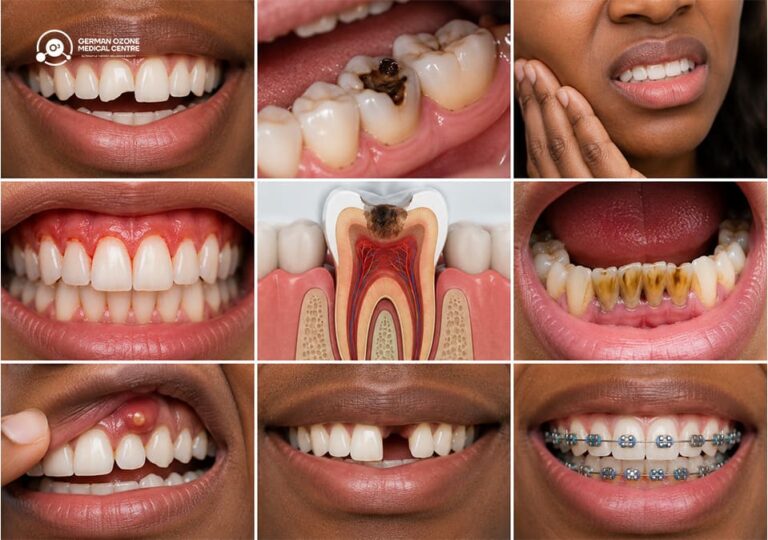
Occasional sensitivity is common, but tooth pain that lingers for more than a day or two usually points to something that needs a dentist’s attention, not just a painkiller. Pain is your tooth’s way of signaling that something structural or nerve-related is happening beneath the surface, and masking it doesn’t address the underlying cause.
- Bleeding Gums
Gums that bleed regularly when brushing or flossing are one of the earliest signs of gum disease, and it’s far easier to treat early than after it progresses. Many people assume bleeding gums are simply a sign of brushing too hard, when it’s often the opposite — a sign of inflammation that needs professional cleaning to resolve.
- Persistent Bad Breath
Bad breath that doesn’t improve with brushing, mouthwash, or better hygiene habits can signal an underlying issue like gum disease or a cavity. When bad breath becomes a daily concern despite good oral hygiene, it’s usually a sign that something beneath the surface needs addressing rather than masking with mints or mouthwash.
- Sensitivity to Hot or Cold
A sharp reaction to hot drinks or cold foods that lingers after the sensation should have passed is worth having checked, as it can point to enamel wear or a developing cavity. The key detail is how long the sensitivity lasts — a quick twinge is normal, but pain that lingers for thirty seconds or more after the trigger is gone is a signal worth acting on.
- Visible Cavities or Dark Spots
Any visible discoloration, pitting, or dark spots on a tooth are signs of decay that won’t resolve on their own and tend to worsen without treatment. Catching a cavity early often means a simple filling; waiting can mean a root canal or worse.
- Swollen or Receding Gums
Gums that look swollen, red, or appear to be pulling away from your teeth are signs of a problem that can affect the health of the tooth itself if left untreated. Receding gums in particular can expose the tooth root, making it more vulnerable to sensitivity and decay over time.
- A Loose Permanent Tooth
Any looseness in an adult tooth is never normal and should be assessed as soon as possible to prevent further damage or loss. Unlike baby teeth, adult teeth aren’t meant to shift or loosen, so this symptom deserves prompt attention rather than a wait-and-see approach.
- Jaw Pain or Clicking
Ongoing jaw pain, clicking, or difficulty opening your mouth fully can indicate issues with your bite or jaw joint that a dentist can help address. Left unaddressed, jaw joint issues can worsen and start affecting chewing, sleep, or even trigger recurring headaches.
- A Chipped or Cracked Tooth
Even a small chip can expose the tooth to further damage or infection over time, making it worth addressing before it worsens. What looks like a minor cosmetic issue at first can become a much bigger structural problem if bacteria find their way into the exposed area.
- It’s Been Over Six Months Since Your Last Check-Up
Even without obvious symptoms, a routine dental check-up every six months helps catch issues early, often before you’d notice anything yourself. Many of the most common dental problems, including early gum disease and small cavities, develop without any noticeable pain at all until they’ve progressed.
When It’s a Dental Emergency
Some of the signs above can escalate quickly. Seek an emergency dentist right away if you experience:
- Severe, sudden tooth pain
- A knocked-out or badly broken tooth
- Swelling that’s spreading to your face or jaw
- Uncontrolled bleeding after an injury
Acting quickly in these situations can sometimes mean the difference between saving a tooth and losing it, so it’s worth treating these symptoms with urgency rather than waiting to see if they improve on their own.
Getting the Right Care in Accra
If any of these signs sound familiar, it’s worth getting checked sooner rather than later. Finding the right dentist in Accra means having somewhere reliable to turn to for both routine and urgent concerns. German Ozone Medical Centre offers comprehensive dental services at their dental clinic in Accra, covering everything from routine check-ups to more specialised care when needed. Having dental care alongside GOMC’s other outpatient services also means any related concerns can often be coordinated in one place.
Frequently Asked Questions
How do I know if tooth pain is serious enough for a dentist visit? If pain lasts more than a day or two, is severe, or comes with swelling, it’s best to get it checked rather than wait it out.
How often should I get a dental check-up? Most people benefit from a check-up every six months, though this can vary based on individual oral health and risk factors.
What counts as a dental emergency? Severe pain, a knocked-out tooth, uncontrolled bleeding, or facial swelling all warrant immediate attention from an emergency dentist.
Can I wait until a symptom becomes painful before seeing a dentist? It’s not recommended. Many dental problems, including cavities and early gum disease, do the most damage before they become painful, which is exactly why routine check-ups matter even when nothing hurts yet.
Don’t wait for a small problem to become a bigger one. Book a dental check-up with German Ozone Medical Centre today.